Monday - Friday | 9:00 AM - 5:00 PM

Fencing a Sloped Yard: What You Need to Know

Fence Installation > Fence Care

Putting up a fence offers many benefits, including added privacy, improved security, and a well-defined property line. However, the process can feel more complicated if your yard has hills or uneven ground. Slopes and irregular terrain often raise concerns about how practical fence installation really is. The good news is that with proper planning, the right installation methods, and expert guidance, installing a fence on a sloped yard can be done smoothly and effectively.

In this guide, we’ll cover everything you should know about fencing on uneven land. You’ll learn about the most effective installation techniques, which fence styles perform best on sloped terrain, and how working with a knowledgeable fence contractor in Kansas or Missouri can help ensure your project is completed correctly and efficiently.

Key Takeaways

  • Two Installation Approaches: There are two common ways to build a fence on sloped ground—stepped fencing and racked (also called contoured) fencing. The right option depends on how steep the slope is and the look you want to achieve.

  • Choosing the Right Materials: Certain fence materials perform better on uneven terrain than others. Stepped installations pair well with panel-style fencing, while racked fencing is well suited for chain link, vinyl, and select wood designs that can follow the contour of the land.

  • Why Professional Installation Matters: Fencing on uneven ground demands careful measurements, proper equipment, and knowledge of local regulations. Working with an experienced fence contractor helps ensure your fence is installed safely, meets code requirements, and delivers long-lasting results.

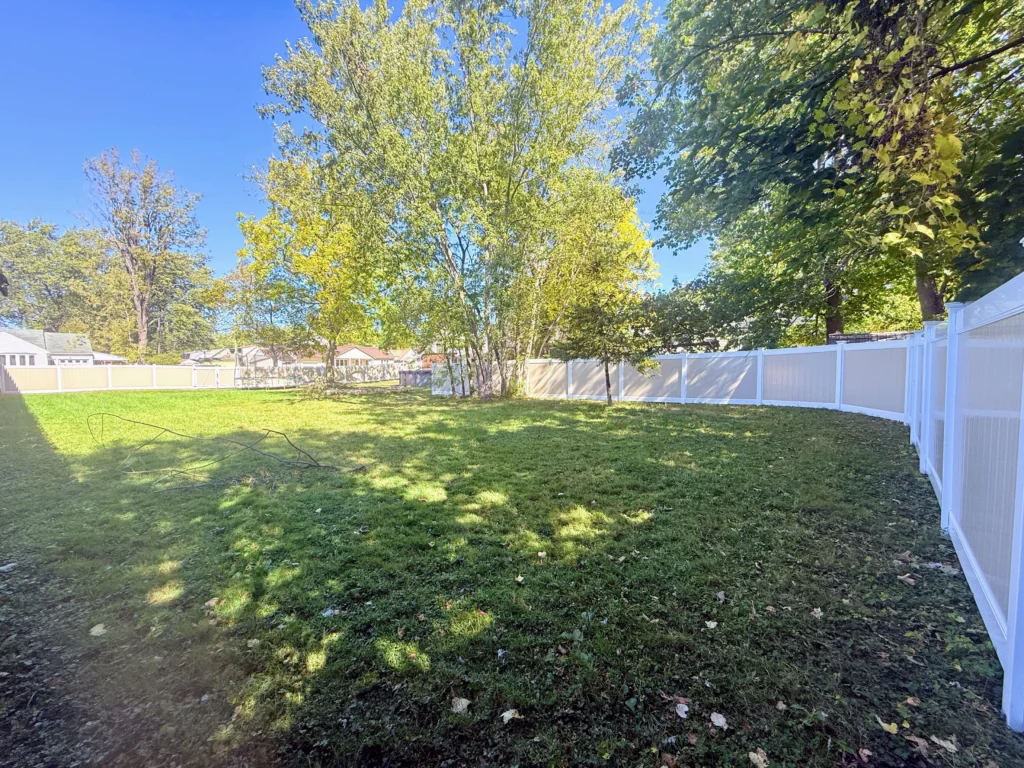
Sloped yard

Understanding the Challenges of Sloped Yards

Building a fence on sloped terrain comes with its own set of challenges that aren’t typically encountered on level ground. One of the biggest concerns is keeping the fence height uniform while avoiding noticeable gaps along the bottom. Large gaps can reduce security, give pets a way out, and make the fence appear poorly finished.

A skilled fence professional starts the process by accurately assessing the slope of the land. This means measuring the “rise,” or the change in vertical height, over the “run,” or the horizontal distance. Understanding these measurements is essential for determining the best installation approach and ensuring the finished fence looks clean, secure, and properly aligned.

Two Methods for Fencing On A Slope

There are two primary methods for installing fencing on uneven or sloped terrain: the stepped approach and the racked (or contoured) approach.

1. The Stepped Method

The stepped method is commonly used with pre-assembled fence panels, including many wood and vinyl designs. In this approach, panels are installed in a descending, step-by-step pattern along the slope. While each panel stays level, every new section is positioned slightly lower than the previous one to accommodate the change in elevation.

How it works:

  • Fence posts are installed at different heights to match the slope of the yard.

  • Each panel’s horizontal rails remain level rather than following the angle of the ground.

  • This results in a triangular space beneath each panel where it meets the lower post.

Advantages of the stepped method:

  • It’s a simple and effective solution for installing pre-made fence panels on uneven terrain.

  • The fence maintains a neat, structured look with a clear stair-step pattern along the top.

Drawbacks of the stepped method:

  • Gaps at the bottom can be an issue if you need to keep small pets in or want complete privacy.

  • Some homeowners prefer a more natural look, as this style doesn’t closely follow the land’s contours.

The stepped method is best suited for properties with mild, uniform slopes where appearance and ease of installation are key considerations.

2. The Racked (or Contoured) Method

The racked method—often referred to as the contoured method—allows a fence to closely follow the natural shape of the terrain. Rather than forming visible steps, the rails and pickets are angled to align with the slope, creating a smooth, uninterrupted line along both the top and bottom of the fence.

How it works:

  • The bottom of the fence maintains a consistent clearance from the ground, preventing noticeable gaps.

  • Fence posts are set straight and plumb, while the horizontal rails are angled to match the slope.

  • This method requires “rackable” fence panels, which are designed with flexible connections that allow the rails to adjust to changes in elevation.

Advantages of the racked method:

  • Produces a clean, flowing appearance that complements the natural landscape.

  • Minimizes or eliminates gaps at the bottom, improving security and pet containment.

Drawbacks of the racked method:

  • Only certain fence styles and materials are compatible with racking.

  • The installation process is more involved and typically best handled by an experienced professional.

Because of its refined look and practical benefits, the racked method is often the preferred choice for properties with steeper or uneven slopes.

Why Hire A Professional Fence Installer?

Although installing a fence yourself may appear to be a cost-effective option, working on a sloped property adds complexity that is often best handled by professionals. An experienced contractor, such as the team at Graber Outdoors, brings the skill and insight needed to ensure the job is done right the first time.

Here’s why working with a professional makes sense:

  • Precise Measurements: Professionals use specialized tools and proven techniques to accurately assess the slope and determine proper post placement for long-term strength and durability.
  • Correct Post Setting: Fence posts on uneven ground must be installed at the proper depth and secured with concrete to maintain stability and prevent shifting or leaning over time.
  • Material Expertise: A knowledgeable installer can help you choose the most suitable fence materials and styles based on your landscape, goals, and budget.

  • Faster, Safer Installation: A trained crew can complete the project efficiently and safely, saving you time while reducing the risk of costly mistakes.

  • Local Code Compliance: Reputable fence companies in Kansas & Missouri understand local zoning rules and permit requirements, ensuring your fence meets all regulations.

Hiring a professional not only simplifies the process but also delivers a strong, polished result that will stand up to the challenges of a sloped yard.

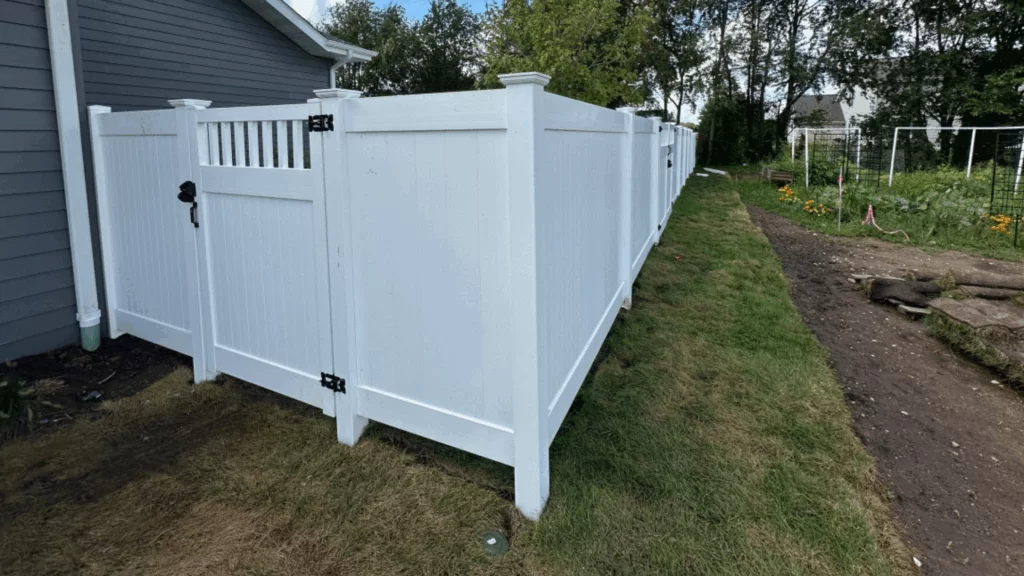
Your Next Step to A Beautiful New Fence

Installing a fence on a sloped yard doesn’t have to be difficult. By choosing the right installation method, using appropriate materials, and working with an experienced team, you can enjoy a beautiful, secure, and durable fence that boosts both your property’s value and curb appeal. The key is knowing your options and teaming up with a trusted professional.

If you’re ready to enhance your sloped yard with a new fence, contact Graber Outdoors. Our skilled fence installers are ready to help you design and build the perfect solution for your Grand Rapids home.

Ready to get started?

If your fence is outdated, damaged, or doesn’t suit your sloped yard, the team at Graber Outdoors is here to help. We specialize in new fence construction and complete outdoor transformations, using durable materials and expert techniques to ensure a secure, long-lasting, and visually appealing fence that complements your property.

About The Author

Nevin

Nevin

Nevin is an experienced web designer who crafts visually captivating digital experiences. With a passion for both design and writing, he elevates his clients' online presence through engaging blogs that resonate with their target audience.