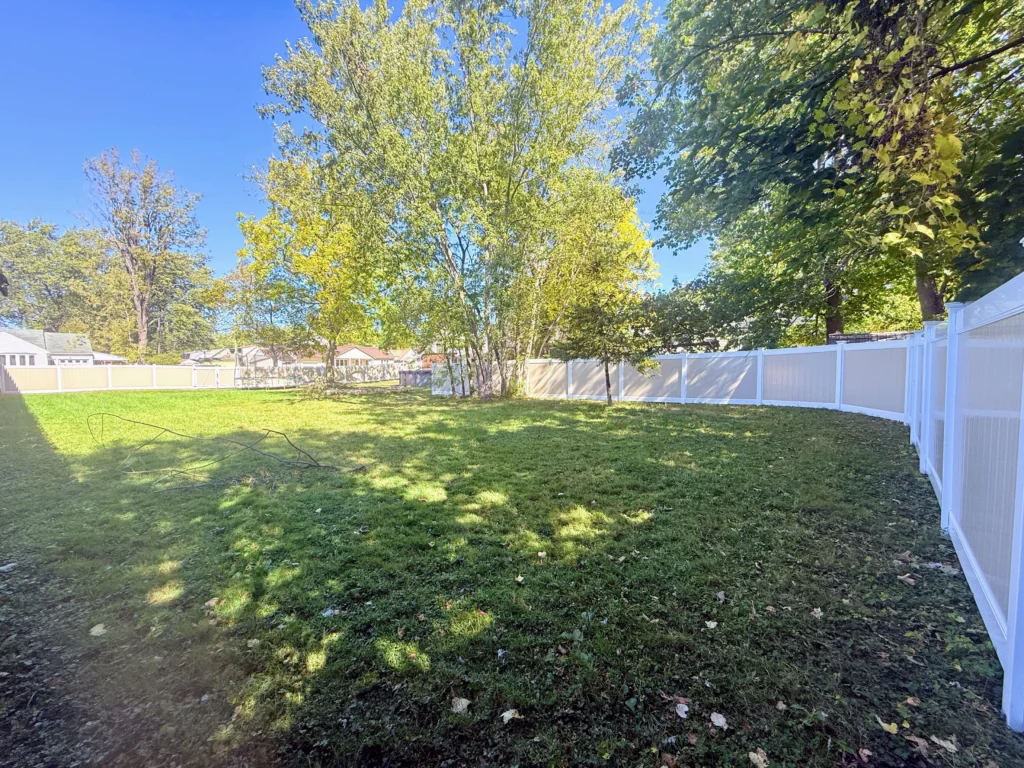
Why Homeowners Are Choosing Vinyl Fencing Over Wood
Fence Installation > Fence Care
The fencing landscape has changed dramatically over the past decade. Stroll through any established neighborhood, and you’ll see a clear trend: vinyl fences are steadily replacing traditional wood barriers. This isn’t just a trend—it reflects a fundamental shift in how homeowners think about property boundaries and outdoor aesthetics.
For generations, wood fences—cedar, pine, redwood—were the standard choice, prized for their natural beauty. But as maintenance demands, environmental concerns, and long-term costs became more apparent, homeowners began rethinking whether wood was the best option for their yards.
Vinyl fencing has surged in popularity because it aligns with modern homeowner priorities. Families are looking for solutions that offer both immediate curb appeal and long-lasting reliability. They want materials that can withstand harsh weather, resist rot and pests, and maintain their appearance with minimal upkeep.
This guide explores why vinyl fencing has become the go-to choice for many homeowners. We’ll break down the practical benefits, address common concerns, and help you determine if switching from wood to vinyl is the right move for your property.
Key Takeaways
-
Long-Lasting and Low Maintenance: Vinyl fencing outperforms traditional wood by offering exceptional longevity with minimal upkeep, making it a smart, cost-effective investment over time.
-
Durable and Weather-Resistant: Modern vinyl materials withstand harsh weather, resist pests and decay, and retain a consistent, attractive appearance for decades.
-
Expert Installation Matters: Professional installation by experienced fence contractors ensures your vinyl fence performs at its best and keeps any manufacturer warranties intact.
The Maintenance Factor: Why Homeowners Are Saying Goodbye to Wood
One of the most compelling reasons homeowners are switching from wood to vinyl fencing is the dramatic reduction in maintenance. Traditional wood fences require constant care to preserve both their appearance and structural integrity, and the upkeep can be time-consuming and costly.
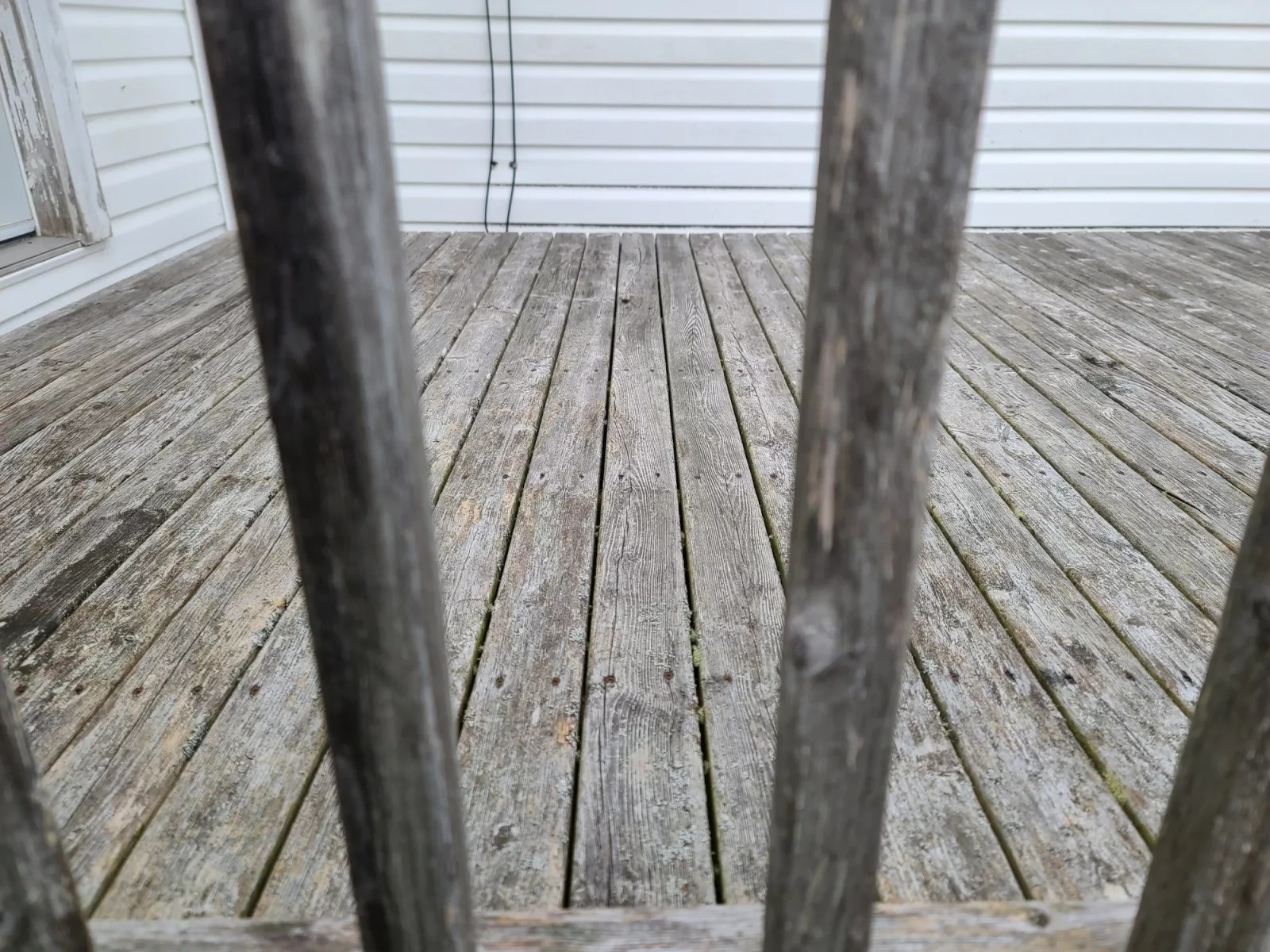
Wood fences must be stained or painted every two to three years to prevent weathering and maintain color. This process typically involves pressure washing, sanding, priming, and applying multiple coats of stain or paint—a project that often takes several weekends and hundreds of dollars in materials.
Even with diligent care, wood fences face ongoing challenges. Boards can warp, crack, or split over time. Posts may rot at ground level, necessitating full replacement. Hardware can loosen or rust, and gates often sag, making them difficult to operate. Each issue requires prompt attention to avoid further damage.
Vinyl fencing eliminates nearly all of these headaches. It never needs painting, staining, or sealing. Rain naturally washes away most dirt and debris, and stubborn stains can be removed with simple soap and water. The only routine maintenance required is an occasional power wash to remove grime—a fraction of the effort wood demands.
The benefits of vinyl’s low maintenance are both practical and financial. Homeowners save hours of labor and hundreds of dollars over the life of the fence, freeing time and resources for other projects or simply more enjoyable activities.
Durability That Stands the Test of Time
Outdoor fencing is constantly exposed to the elements, and weather is one of the greatest threats to its longevity. Wood’s organic composition makes it susceptible to moisture, temperature swings, and UV radiation. Over time, these factors break down wood fibers, causing rot, warping, and structural failure.
Vinyl fencing, by contrast, offers exceptional resilience against environmental stresses. It does not absorb moisture, eliminating concerns about rot and mold. High-quality vinyl experiences minimal expansion or contraction under extreme temperatures, and UV-resistant additives prevent fading and material deterioration from sun exposure.
Wind resistance is another area where vinyl excels. Properly installed vinyl fences can withstand strong gusts without damage. Its natural flexibility allows panels to bend slightly under pressure instead of cracking or breaking like rigid wood boards—an especially valuable feature in regions prone to severe weather.
Vinyl also resists common pest problems that plague wood fences. Termites, carpenter ants, and other insects cannot harm vinyl, removing a major source of unexpected repair costs and structural compromise.
The longevity difference between the two materials is striking. Quality vinyl fences can maintain their appearance and function for 20 to 30 years with minimal upkeep, while wood fences typically require substantial repairs or complete replacement within 10 to 15 years, even with careful maintenance.
Cost Analyss: Understanding the True Value Proposition
Many homeowners hesitate to choose vinyl fencing due to higher upfront costs. Quality vinyl materials and professional installation generally run 20% to 40% more than comparable wood fencing projects. However, this initial investment is often offset by significant long-term savings.
The true cost of a fence extends far beyond installation. Wood fences require ongoing maintenance, periodic repairs, and eventual replacement—all of which add up over time.
For example, consider a typical wood fence maintenance schedule. Staining every three years can cost $3 to $5 per linear foot in materials and labor. For a 100-foot fence, that amounts to $300 to $500 every three years. Over 15 years, maintenance alone can total $1,500 to $2,500.
Repairs add even more expense. Replacing warped or cracked boards, tightening posts, and addressing hardware issues can cost several hundred dollars annually. Storm damage may require even more extensive work or partial reconstruction.
Vinyl fencing largely eliminates these recurring costs. It requires no painting, staining, or sealing, and repairs are infrequent—typically limited to replacing individual damaged panels rather than addressing systemic issues.
When evaluating total cost of ownership over 15 to 20 years, vinyl often proves more economical than wood. The combination of minimal maintenance, long lifespan, and durability delivers substantial value for homeowners planning to remain in their properties for the long term.
Aesthetic Appeal and Design Flexibility
Wood fencing has long been favored for its natural beauty and versatility, offering a warm, classic look that complements a wide range of architectural styles. However, modern vinyl fencing has evolved to deliver similar aesthetic appeal while providing greater consistency and durability.
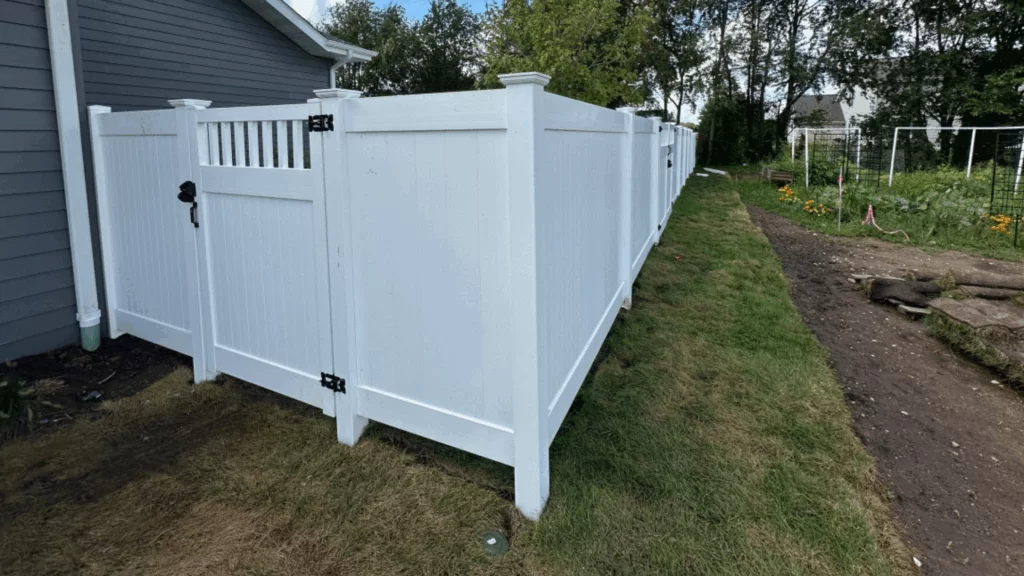
Today’s vinyl fences come in a wide variety of styles and colors. Traditional picket designs remain popular, but homeowners can also choose privacy panels, decorative rail systems, and ornamental patterns. Vinyl textures now include smooth finishes, realistic wood-grain patterns, and even stone-like appearances.
One major advantage of vinyl over wood is color consistency. Wood naturally weathers and fades over time unless it is regularly maintained, which can lead to uneven appearance along a fence line. Vinyl retains its original color indefinitely, ensuring a uniform and polished look across your property.
Vinyl fencing also offers superior precision and craftsmanship. Factory manufacturing ensures perfectly straight boards, even spacing, and uniform heights, resulting in cleaner sight lines and a more professional overall appearance. Wood fences, by contrast, can warp, settle, or shift, creating imperfections over time.
Customization options for vinyl fences have expanded as well. Many manufacturers offer custom colors, decorative post caps, and accent features, allowing homeowners to create unique and personalized designs. Professional installers can incorporate these elements seamlessly, delivering a cohesive fence system that enhances both function and curb appeal.
Environmental Considerations
Wood fencing comes from renewable resources, but its environmental footprint includes chemical treatments, frequent maintenance, and periodic replacement. These factors contribute to resource consumption, chemical runoff, and waste.
Vinyl fencing, while petroleum-based, lasts much longer than wood. Reduced maintenance requirements eliminate the environmental impact of staining and sealing, and many manufacturers offer recycling programs and incorporate recycled content into new fencing. Over a fence’s lifetime, vinyl often has a smaller overall environmental impact compared to wood.
Professional Installation: Ensuring Optimal Performance
Proper installation is critical to any fencing project, and it is especially important for vinyl systems. Vinyl’s unique properties require specialized techniques that differ from traditional wood fence installation.
Experienced vinyl fence installers, like the team at Graber Outdoors, have the knowledge, tools, and expertise to ensure optimal results. They understand how to space posts accurately, allow for thermal expansion, and create secure connections that will last for decades.
Post installation is the most important step in a vinyl fence project. Unlike wood posts, which can often be adjusted after installation, vinyl posts must be precisely placed from the start. Professional installers use specialized equipment to ensure posts are perfectly plumb, evenly spaced, and securely set.
Gate installation also requires careful attention. Vinyl gates have unique weight and movement characteristics that demand specific hardware and adjustment techniques. Experienced installers ensure gates operate smoothly and reliably for years.
Working with a professional fence company offers additional advantages beyond technical expertise. Contractors provide warranties on both materials and installation, handle necessary permits, and ensure compliance with local building codes and homeowner association requirements.
For Kansas and Missouri homeowners, choosing a reputable vinyl fence installer like Graber Outdoors guarantees access to quality materials, professional installation, and guidance tailored to local soil conditions and weather patterns—ensuring your fence performs beautifully for decades.
Making the Switch: What Homeowners Should Know
Switching from wood to vinyl fencing requires careful planning to ensure a successful project and long-term satisfaction. Understanding the key factors can help homeowners avoid common pitfalls and make informed decisions.
Timing: Spring and fall usually provide the best conditions for fence installation, with moderate temperatures and stable weather. However, popular fence companies may have limited availability during peak seasons, so scheduling in advance is essential.
Property Preparation: Both wood and vinyl fences require accurate property line surveys and utility marking, but vinyl installations often demand more precise site preparation due to tighter manufacturing tolerances.
Local Regulations: Homeowners should review any homeowner association rules or local ordinances. Some communities impose restrictions on fence height, style, or color, which can influence material and design choices.
Budget Considerations: Site challenges, such as rocky soil, steep slopes, or proximity to existing structures, can increase installation complexity and costs. Professional fence companies can evaluate these factors during consultations and provide accurate estimates.
Choosing a Qualified Installer: The success of a vinyl fence project depends heavily on selecting an experienced installer. Homeowners should research contractors thoroughly, checking references, insurance coverage, and local reputation. Companies like Graber Outdoors specialize in vinyl fencing systems and understand local installation requirements, ensuring optimal results.
Addressing Common Concerns About Vinyl Fencing
Despite its growing popularity, some homeowners remain hesitant about vinyl fencing due to misconceptions or outdated information. Understanding how modern vinyl performs helps homeowners make informed decisions based on current facts.
Temperature Expansion and Contraction: Early vinyl products sometimes experienced noticeable movement in regions with extreme seasonal temperature changes. Today’s vinyl formulations, combined with proper installation spacing, minimize expansion and contraction, ensuring a consistent appearance and proper fit.
Wind Resistance: Homeowners in areas prone to severe weather often question vinyl’s durability against wind. Properly installed vinyl fencing flexes under pressure instead of breaking, often outperforming rigid wood fences during storms.
Impact Resistance: While vinyl can crack under extreme force, it generally performs comparably to wood under normal use. Most manufacturers provide warranties that cover defects and offer replacement parts for damaged sections.
Color Fading: Concerns about fading are largely tied to earlier vinyl products lacking UV protection. Modern vinyl incorporates advanced UV stabilizers, maintaining color for decades. Many manufacturers also back their products with extensive color retention warranties.
By addressing these concerns, homeowners can confidently choose vinyl fencing knowing it combines durability, aesthetics, and long-term performance.
Regional Considerations for Kansas & Missouri Homeowners
Homeowners in Missouri and Kansas face specific climate and soil conditions that make vinyl fencing an especially smart choice compared to traditional wood. The region’s hot, humid summers, cold winters, and occasional severe weather create challenges for wood fencing that vinyl handles more effectively.
Wood fences in this climate are prone to warping, cracking, and rot due to temperature swings and high humidity. Vinyl fencing remains stable through seasonal changes without the need for protective treatments or constant maintenance.
The region’s severe weather—including strong thunderstorms, high winds, and occasional tornadoes—places additional stress on fencing materials. Properly installed vinyl fences can flex under pressure rather than breaking, often outperforming wood fences during storms.
Soil conditions in Missouri and Kansas, including clay-heavy areas, can retain moisture and accelerate wood post rot. Vinyl posts resist moisture damage and maintain structural integrity in challenging soils, providing long-term stability.
Local fence companies in Missouri and Kansas understand these regional factors and can recommend vinyl fencing solutions tailored to specific site conditions. Their expertise with local weather patterns, soil types, and installation requirements ensures your fence will perform reliably for decades.
The Future of Residential Fencing
The growing popularity of vinyl fencing reflects broader shifts in homeowner priorities. Modern families increasingly seek low-maintenance solutions that deliver long-term value, consistent performance, and a polished appearance. This trend suggests that vinyl fencing will continue to gain adoption in Missouri, Kansas, and beyond.
Technological advancements are continuously enhancing vinyl fencing products and installation methods. New manufacturing techniques produce more realistic wood-grain textures, expanded color options, and improved panel flexibility. Installation tools and methods have also evolved, making the process faster, more precise, and more durable over time.
Environmental considerations are becoming increasingly important in material selection. As recycling programs expand and manufacturing processes become more efficient, vinyl fencing’s environmental profile continues to improve relative to traditional wood alternatives. Homeowners can now enjoy durable, low-maintenance fencing while minimizing long-term environmental impact.
Transform Your Property with Professional Vinyl Fencing
Vinyl fencing is the clear choice for homeowners seeking long-term value, low maintenance, and lasting performance. While the upfront cost may be higher than wood, vinyl pays off over time through minimal upkeep, extended lifespan, and a consistently polished appearance.
For Missouri and Kansas homeowners, working with an experienced installer like Graber Outdoors ensures precise installation, durable results, and solutions tailored to local conditions. Investing in quality vinyl fencing provides decades of savings, increased property value, and peace of mind. Contact a trusted fence company today to explore options that fit your needs and budget.
About The Author

Nevin
Nevin is an experienced web designer who crafts visually captivating digital experiences. With a passion for both design and writing, he elevates his clients' online presence through engaging blogs that resonate with their target audience.