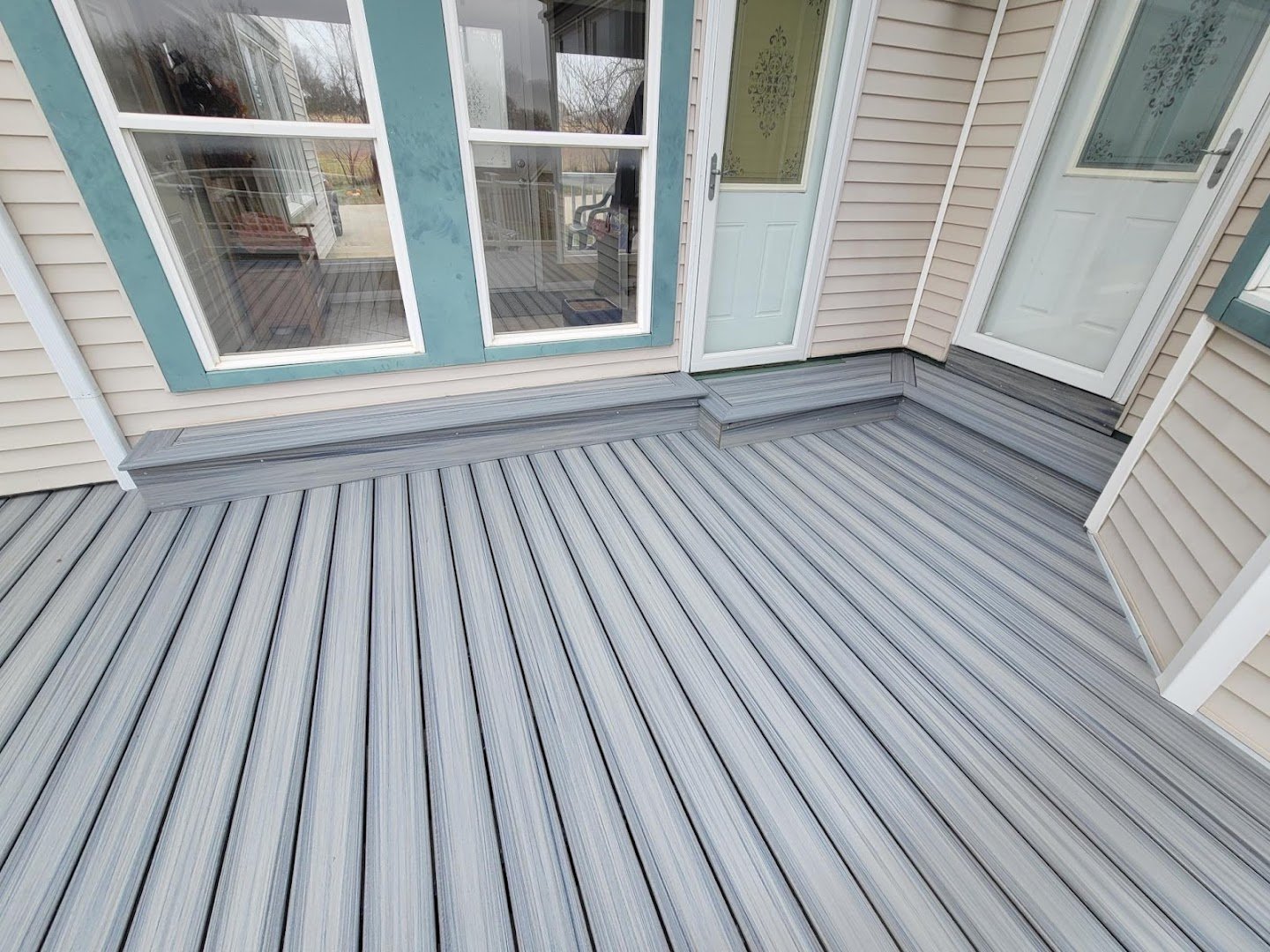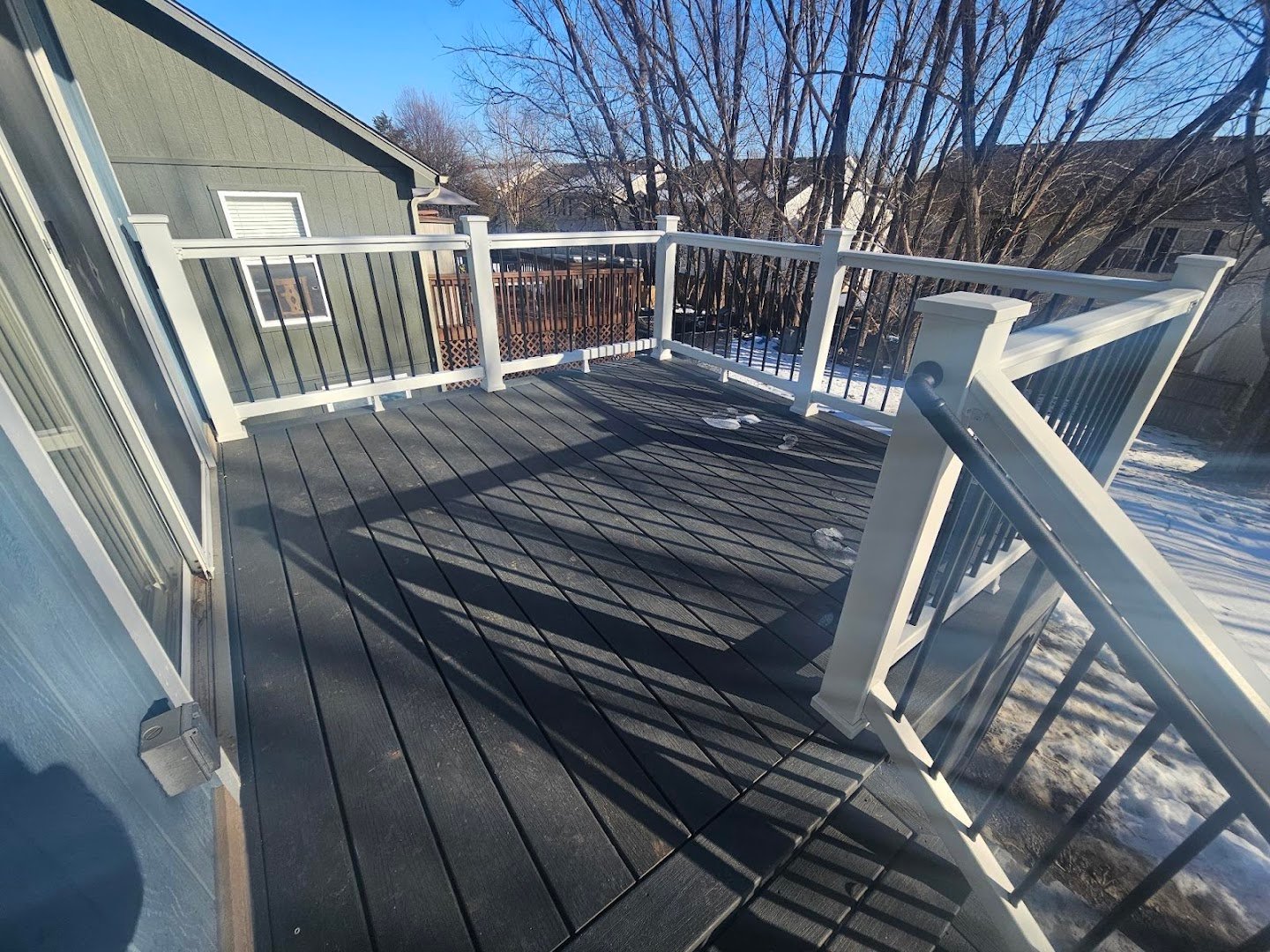

Quick answer: Composite decks need far less upkeep than wood, but they aren't maintenance-free. To keep yours looking great for decades, sweep away debris regularly, wash the surface twice a year with soap and water, clear gaps between boards, and address stains quickly. Simple, consistent care protects your investment and preserves your deck's appearance.
Key Takeaways
- Composite decking is low-maintenance, but routine cleaning and occasional deep washes are still essential for long-term performance.
- Preventing mold, mildew, and standing water is the single most important step in extending your deck's lifespan.
- Professional composite deck installation in Wichita KS sets the foundation for easy upkeep—so choosing the right builder matters as much as the maintenance itself.
Why Composite Decks Are Worth Protecting
A composite deck is a serious investment in your home. Unlike traditional wood, composite boards resist rot, warping, and insect damage, which is why so many homeowners choose them for their patios and backyards. But that durability doesn't mean you can ignore your deck entirely.
Think of maintenance as insurance. A little effort a few times a year keeps your boards vibrant, prevents costly repairs, and ensures your deck stays a place you actually want to spend time. The good news? Caring for composite is genuinely simple once you know the basics.
Below, the team at Graber Outdoors breaks down the maintenance habits that keep composite decks performing beautifully for 25 years or more.
How Often Should You Clean a Composite Deck?
For most homeowners, a thorough cleaning twice a year is enough—once in the spring and once in the fall. This schedule tackles the pollen, dirt, and debris that build up over the seasons.
That said, light upkeep should happen year-round. Sweeping away leaves, dirt, and standing water on a regular basis prevents buildup that can lead to staining or mold. If your deck sits under trees or in a shaded area, you may need to clean a little more often.
Step-by-Step Composite Deck Cleaning
Cleaning a composite deck doesn't require special equipment or harsh chemicals. Here's a straightforward routine that works for most decks:
1. Clear the Surface
Remove furniture, planters, and grills. Then sweep the entire deck to get rid of loose debris. Pay special attention to the gaps between boards, where leaves and dirt love to collect.
2. Rinse With Water
Use a garden hose to wet the surface and flush out any remaining dirt. This loosens grime before you start scrubbing.
3. Wash With Soap and Warm Water
Mix warm water with a mild dish soap. Using a soft-bristle brush, scrub the deck in the direction of the wood grain pattern. Avoid metal brushes, which can scratch the surface.
4. Rinse Thoroughly
Rinse the entire deck again to remove all soap residue. Leftover soap can attract more dirt over time, so don't skip this step.
How Do You Remove Stains From Composite Decking?
Even durable composite can pick up stains from food, grease, or fallen leaves. The key is acting fast.
- Grease and oil: Clean spills immediately with warm, soapy water. For stubborn grease, a degreaser made for composite decking works well.
- Food and drink: Rinse and wash the area as soon as you notice a spill.
- Leaf and tannin stains: These come from wet leaves left sitting too long. Remove leaves promptly and scrub any discoloration with soap and water.
For tough spots, always check your manufacturer's warranty guidelines before using any specialized cleaner.
Can You Pressure Wash a Composite Deck?
Yes, but carefully. A pressure washer can be used on composite decking as long as you keep the pressure low—generally under 3,100 PSI—and hold the nozzle at least a foot away from the surface. Use a fan tip and always spray in the direction of the grain.
Too much pressure or too close a spray can damage the board's protective outer layer. When in doubt, stick to a hose and brush.
Preventing Mold and Mildew
Mold and mildew are the most common enemies of any outdoor surface, and composite is no exception. They thrive in damp, shaded areas where debris collects.
To keep them at bay:
- Sweep regularly so organic material doesn't sit on the surface.
- Keep gaps between boards clear so water can drain properly.
- Trim back nearby plants and trees to improve airflow and sunlight.
- Address standing water quickly after storms.
A clean, dry deck is a mold-resistant deck.
Why Professional Installation Makes Maintenance Easier
Here's something many homeowners overlook: how your deck is built directly affects how easy it is to maintain. Proper spacing between boards, correct drainage, and a level frame all reduce the risk of standing water, warping, and mold.
That's why quality composite deck installation matters from day one. When you work with an experienced composite deck builder in Wichita KS like Graber Outdoors, you get a deck engineered for both beauty and long-term performance. The right build means fewer headaches and less maintenance for years to come.
Keep Your Deck Beautiful for Decades
Composite decking rewards a little routine care with decades of reliable, good-looking performance. Sweep often, wash twice a year, clear those board gaps, and tackle stains before they set. Follow these habits and your deck will stay a welcoming space for family gatherings, quiet mornings, and everything in between.
Ready to build a deck that's easy to love and easy to maintain? Reach out to Graber Outdoors for expert composite deck installation in Wichita KS, and start your project with a foundation built to last.
Frequently Asked Questions
How long does a composite deck last?
With proper care, most composite decks last 25 to 30 years or more. Regular cleaning and good drainage help you reach the upper end of that range.
Do composite decks need to be sealed or stained?
No. Unlike wood, composite decking never needs sealing, staining, or painting. This is one of the biggest reasons homeowners choose composite over traditional lumber.
What should you avoid using on a composite deck?
Avoid metal shovels, wire brushes, and abrasive cleaners, all of which can scratch the surface. In winter, use a plastic shovel and calcium chloride ice melt rather than rock salt.
Is composite decking worth the investment?
For most homeowners, yes. Although the upfront cost is higher than wood, the low maintenance, long lifespan, and lasting appearance often make composite the more economical choice over time.