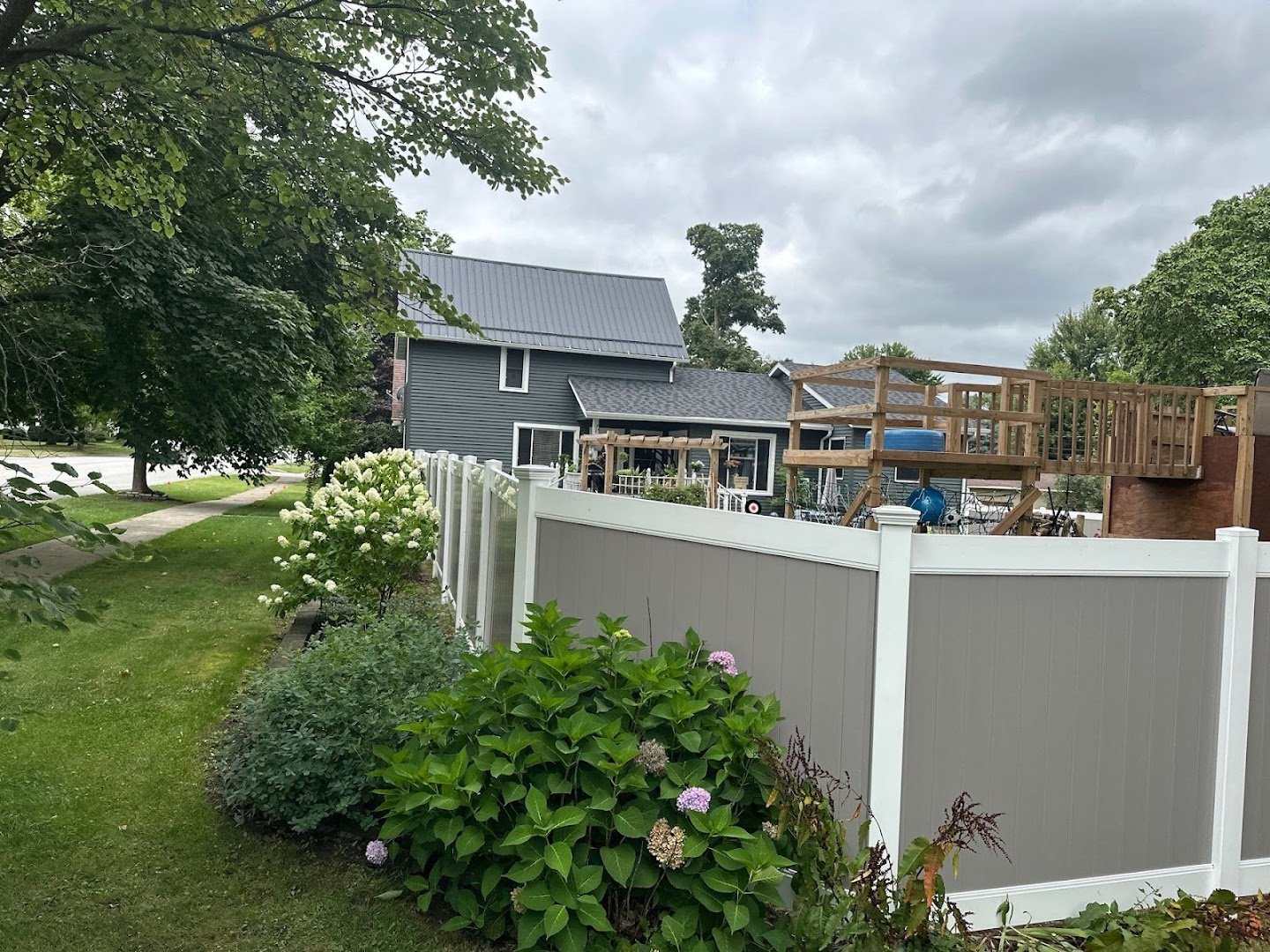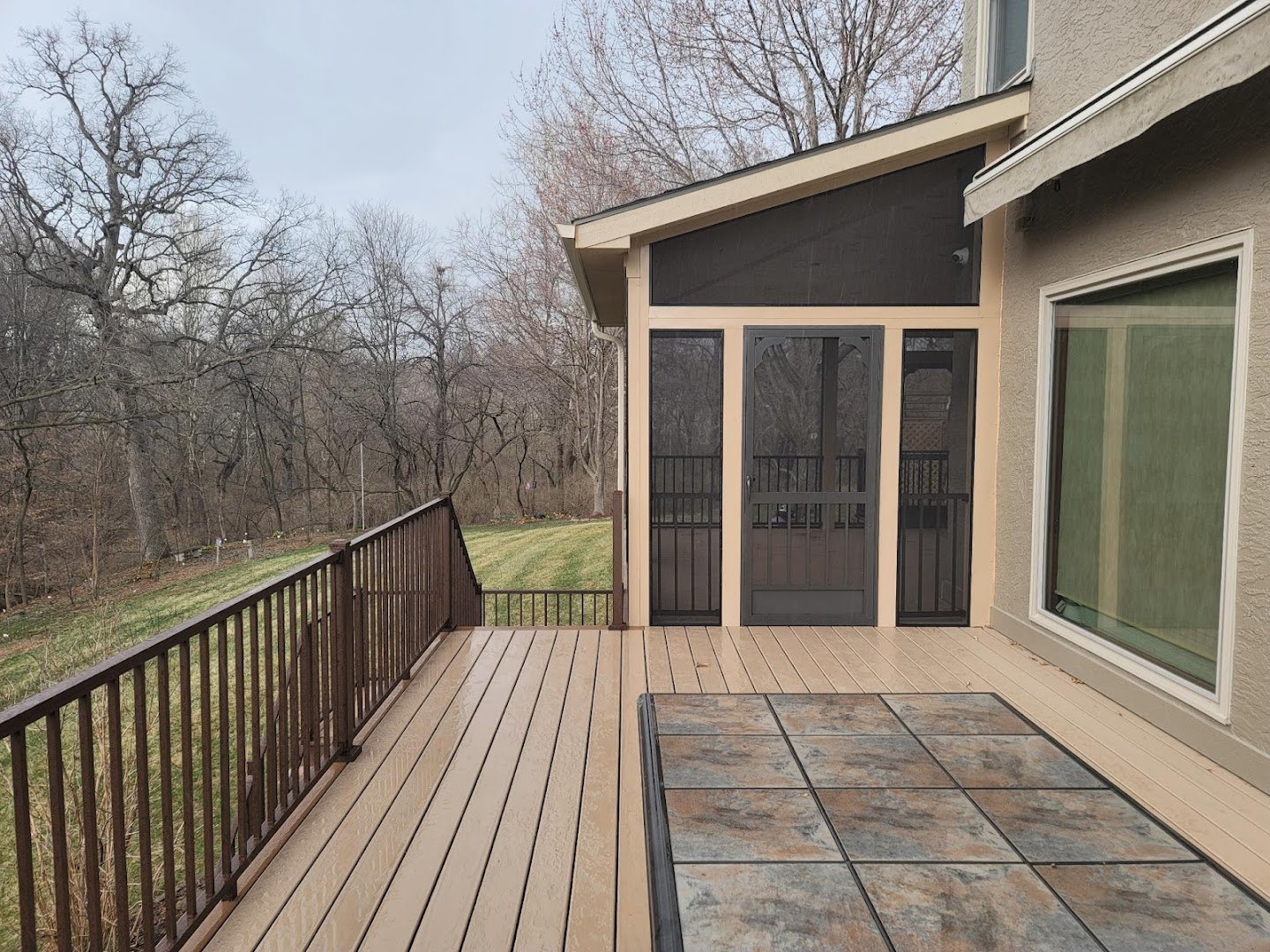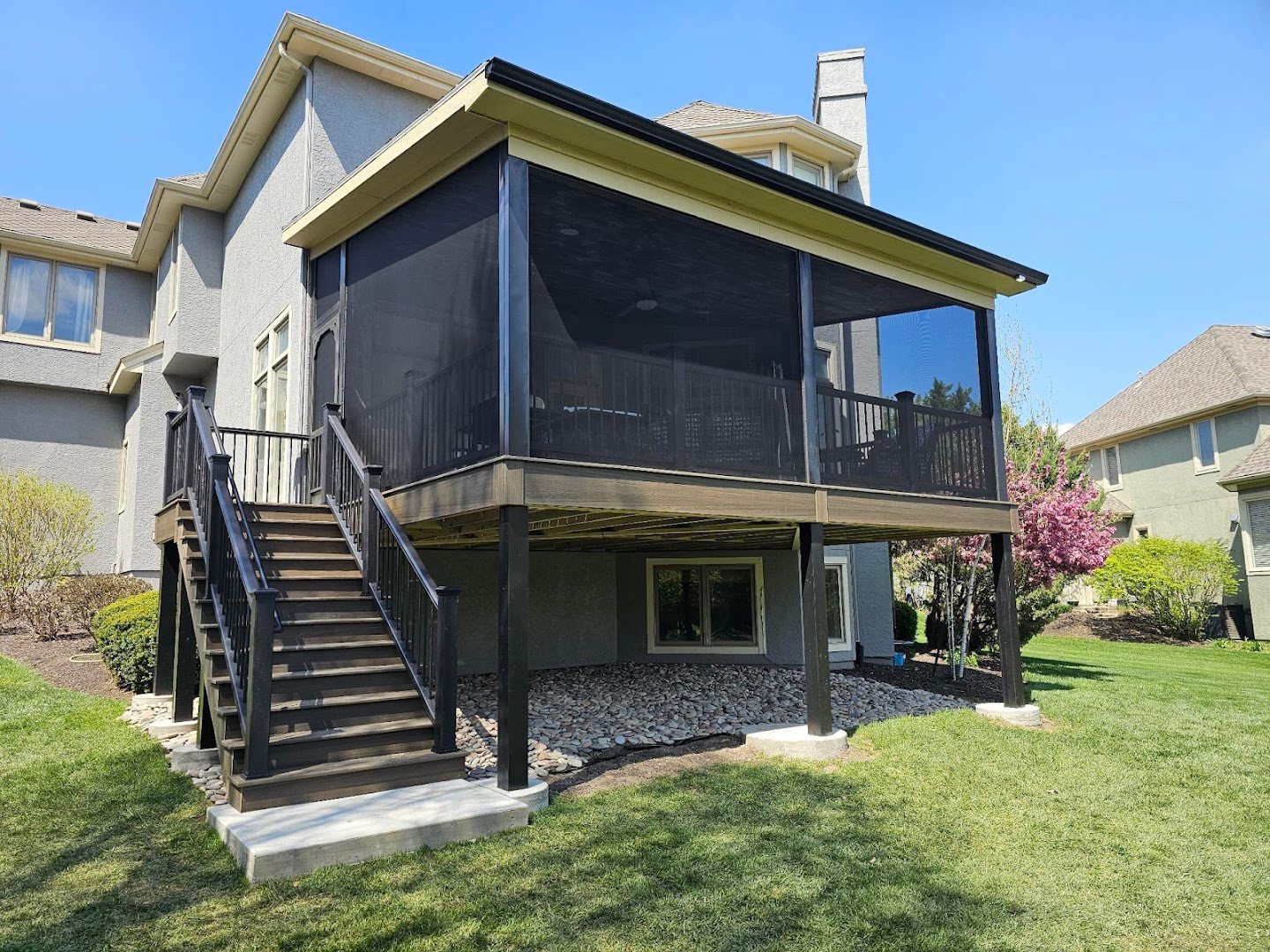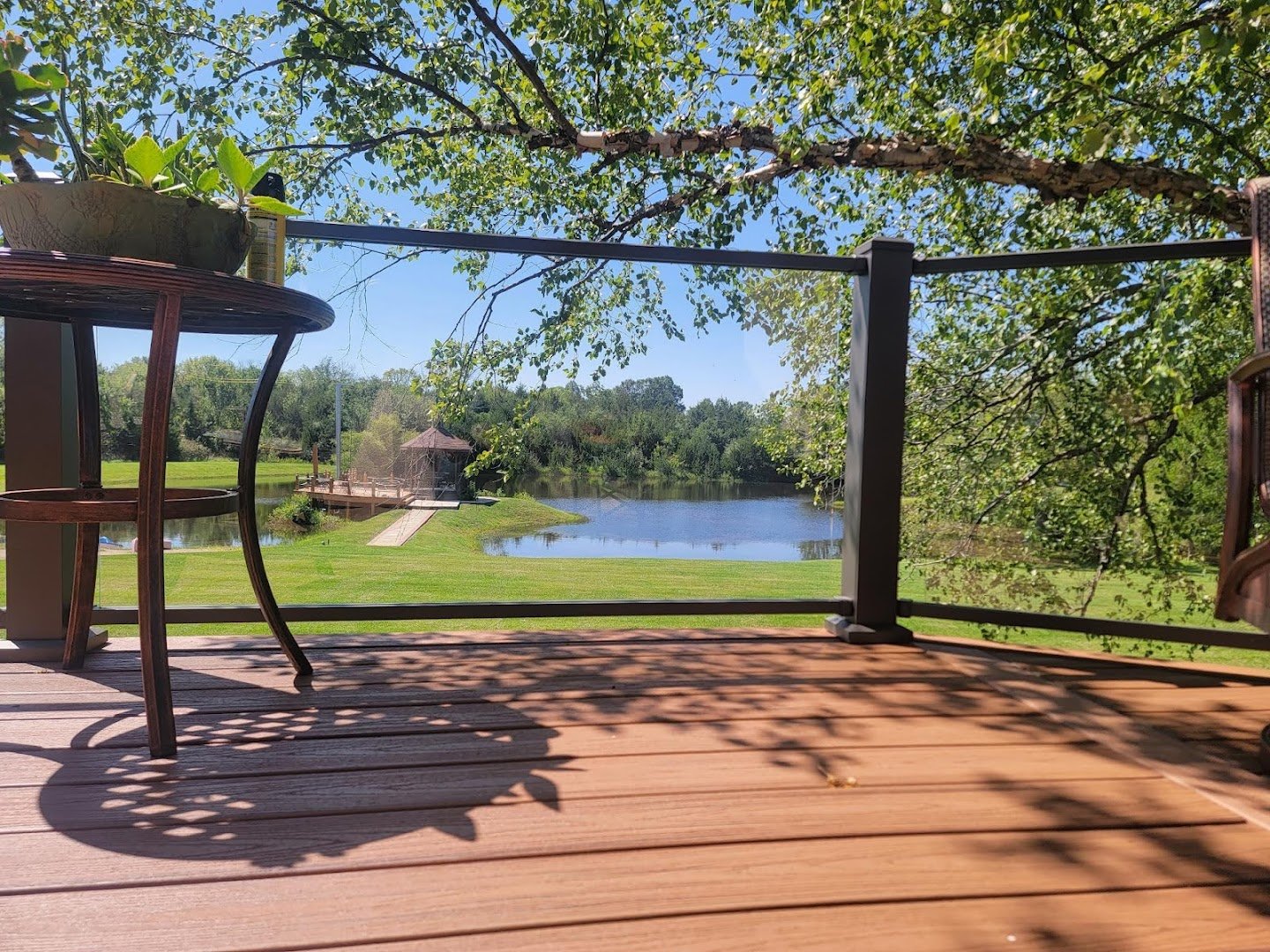

The changing seasons in Lake Ozark, St. Louis, Wichita, and Kansas City can take a toll on outdoor structures. After a winter of freezing temperatures and moisture, your deck might be hiding damage that could compromise its safety. Spring, with its milder weather, offers the ideal window to conduct a thorough inspection, ensuring your outdoor living space is secure and ready for grilling season and family gatherings. Don't wait until it's too late – a proactive check can prevent costly repairs and potential hazards.
Spotting Common Wear and Tear
Begin your spring deck inspection with a close look at the surface and railings. Check for any signs of warped boards, especially on the deck surface and stairs, which can become tripping hazards. Look closely for popped nails or loose screws; these fasteners can work their way out over time due to seasonal expansion and contraction, indicating boards that are no longer securely attached. Pay particular attention to areas where wood meets the ground or is frequently wet, as these are prime spots for rot.
Even if you have a durable vinyl deck, inspect the railing system for any wobbles or loose posts. While vinyl is resistant to rot, the underlying structure or fasteners can still be affected. Give each railing a firm shake to ensure it's stable and can support weight. Any sign of instability in railings, especially on elevated decks, is a serious safety concern that needs immediate attention before anyone leans on it.
Assessing Structural Integrity and When to Call a Pro
Beyond surface issues, the most critical part of your deck inspection involves its structural integrity. The ledger board, which connects your deck to your house, is vital. Inspect it for any gaps, cracks, or signs of detachment from the house. A loose ledger board can lead to catastrophic deck failure. Also, check support posts and beams for any splitting, sagging, or significant rot, particularly where they meet the ground or concrete footings. These are often hidden areas that winter moisture can severely impact.
While minor repairs like tightening a few screws or replacing a single warped board might be a DIY task, anything related to the ledger board, main support beams, or widespread rot warrants professional assessment. Local building codes in areas like Lake Ozark, St. Louis, Wichita, and Kansas City have specific requirements for deck construction and safety. A professional can identify hidden issues, ensure compliance, and recommend appropriate repairs or even a complete upgrade to a low-maintenance, durable vinyl system if your current deck is beyond safe repair.
Taking the time for a spring deck inspection ensures your outdoor space remains a safe and enjoyable extension of your home. If you've found concerns that go beyond a simple fix or are considering an upgrade to a durable, low-maintenance vinyl deck or railing system, we're here to help. For an estimate specific to your project, we invite you to request a free quote.