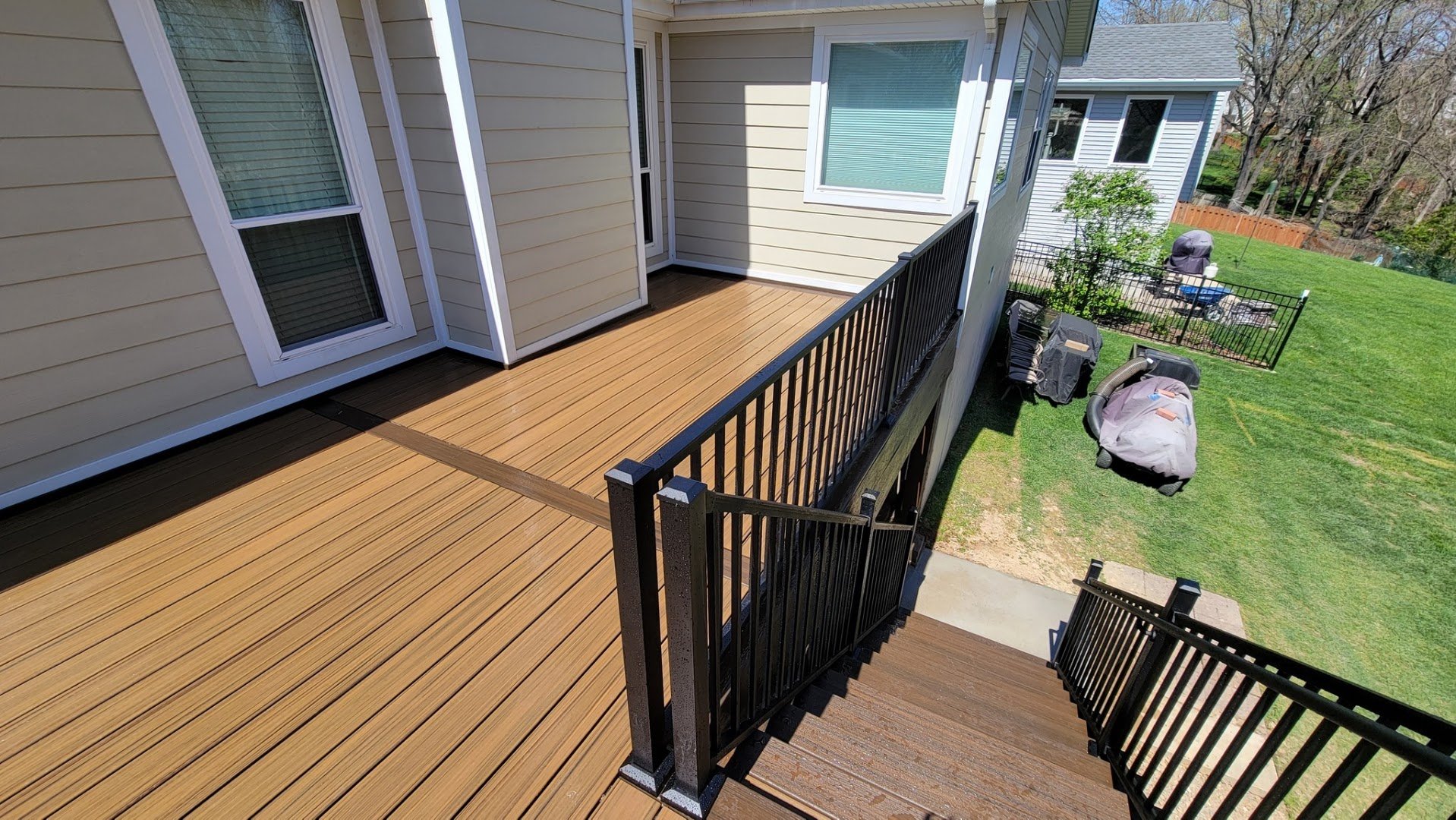

How to Prepare Your St. Louis Pool Deck as Swimming Season Winds Down
Quick answer: As summer ends in St. Louis, protect your pool deck by cleaning it thoroughly, sealing any cracks, applying a weatherproof sealant, and covering furniture and fixtures. These steps prevent winter damage from freeze-thaw cycles and keep your pool deck installation looking great for years. For extensive repairs or upgrades, Graber Outdoors specializes in pool decks St. Louis MO homeowners trust.
Key Takeaways
- Cleaning, sealing, and inspecting your pool deck before winter prevents costly freeze-thaw damage common in St. Louis's climate.
- Covering furniture, securing loose fixtures, and addressing drainage issues now saves time and money come spring.
- Graber Outdoors offers professional pool deck installation and seasonal maintenance services tailored to St. Louis homeowners.
Summer in St. Louis doesn't last forever, and neither does the window for protecting your pool deck before winter sets in. As temperatures drop and pool days become a distant memory, your deck faces a different kind of challenge: freeze-thaw cycles, moisture infiltration, and debris buildup that can quietly chip away at its structure and appearance.
Many homeowners focus solely on winterizing the pool itself, forgetting that the surrounding deck needs just as much attention. A well-maintained deck isn't just about curb appeal. It protects your investment, extends the lifespan of your materials, and ensures your outdoor space is ready to go the moment warm weather returns.
This guide walks through the essential steps for preparing your pool deck for the off-season, with practical advice specific to the St. Louis climate. Whether you have a concrete, paver, or composite deck, these tips will help you avoid common seasonal damage and keep your outdoor living space in top shape.
Why Does St. Louis Weather Make Pool Deck Maintenance So Important?
St. Louis experiences a humid continental climate, meaning hot, muggy summers give way to cold winters with regular freeze-thaw cycles. This temperature swing is particularly hard on outdoor surfaces. Water seeps into tiny cracks in concrete or paver joints, then freezes and expands, widening those cracks over time. Left unaddressed, small imperfections can turn into major structural issues by spring.
Humidity and seasonal rainfall also contribute to mold, mildew, and algae growth on deck surfaces, especially in shaded areas near the pool. Preparing your deck before the first hard freeze isn't just a nice-to-do. It's a practical step toward avoiding expensive repairs down the road.
How Should You Clean Your Pool Deck Before Winter?
A deep clean is the foundation of any solid pre-winter deck maintenance routine. Dirt, algae, and organic debris trap moisture against the surface, which accelerates deterioration during freezing temperatures.
Start by sweeping away leaves, twigs, and other debris that accumulate as summer transitions into fall. Then use a pressure washer on a low setting to clean the deck surface, paying close attention to grout lines, paver joints, and any shaded or damp corners where mildew tends to grow.
For stubborn stains or algae buildup, a mild detergent or specialized deck cleaner can help without damaging the material. Avoid harsh chemicals that could strip sealants or discolor natural stone. Once cleaned, allow the deck to dry completely before moving on to inspection and repairs.
What Should You Look For When Inspecting Your Deck for Damage?
After cleaning, walk the entire deck surface and look for signs of wear that could worsen over winter. Common issues include:
- Cracks in concrete: Even hairline cracks can expand when water freezes inside them.
- Loose or shifting pavers: Gaps between pavers allow water infiltration and can lead to uneven surfaces.
- Worn or peeling sealant: Sealant acts as your deck's first line of defense against moisture.
- Rust stains or corrosion: Common around metal fixtures like railings or pool ladders.
- Drainage problems: Standing water after rain indicates poor drainage, which can lead to pooling and ice formation in winter.
Catching these issues now, before the ground freezes, gives you time to make repairs while conditions are still workable. Trying to fix a cracked deck in the middle of a St. Louis winter is far more difficult (and often more expensive) than addressing it in early fall.
Why Is Sealing Your Pool Deck Before Winter So Important?
Sealing is one of the most effective ways to protect your deck from moisture damage. A quality sealant creates a barrier that prevents water from penetrating the surface, which is critical in a region where freeze-thaw cycles are frequent.
Concrete decks benefit from a penetrating or film-forming sealant designed for outdoor use, while natural stone and paver surfaces often require specialized sealants that won't trap moisture beneath the surface. Before applying any sealant, make sure the deck is completely clean and dry, and check that any cracks or repairs have been addressed first. Sealing over damage won't fix the underlying problem and could make future repairs more complicated.
Most sealants need 24 to 48 hours to cure properly, so plan this step for a stretch of dry, mild weather, which can be harder to predict as fall progresses in St. Louis.
How Do You Protect Pool Deck Furniture and Fixtures for Winter?
Once the deck surface itself is prepped, turn your attention to everything on top of it. Outdoor furniture, umbrellas, and loose decor should be cleaned, dried, and stored indoors or in a weatherproof container if possible. Materials like wicker, fabric, and untreated wood are especially vulnerable to moisture damage and should not be left exposed through a St. Louis winter.
For fixtures that can't be moved, such as built-in seating or permanent pergolas, consider weatherproof covers to shield them from snow, ice, and freezing rain. Metal railings and hardware benefit from a light coat of rust-inhibiting spray, particularly if they show any early signs of corrosion.
When Is the Best Time to Schedule Pool Deck Repairs or Upgrades?
Early fall, after the pool has closed but before the first freeze, is the ideal window for both repairs and upgrades. Contractors tend to have more availability during this shoulder season compared to peak spring demand, and materials like concrete and sealants cure best in moderate temperatures.
If you've been considering a full pool deck installation or a significant upgrade, like switching from aging concrete to pavers or adding non-slip coatings, fall is a smart time to start the process. This timing ensures your deck is fully cured and ready to enjoy when pool season returns, rather than scrambling to finish a project in late spring.
Graber Outdoors works with homeowners throughout the region on everything from routine maintenance to full pool decks St. Louis MO residents can count on for durability and style. Addressing repairs now, rather than waiting until spring thaw reveals the full extent of winter damage, often saves both time and money.
Protect Your Investment Before the Freeze Sets In
Your pool deck works hard all summer, and a little attention before winter goes a long way toward keeping it structurally sound and visually appealing for years to come. Cleaning, inspecting, sealing, and protecting furniture are straightforward steps, but they make a real difference when freeze-thaw cycles arrive.
If your inspection reveals damage beyond a simple DIY fix, or if you're ready to explore a new pool deck installation, reaching out to a professional before winter hits is a smart move. Graber Outdoors offers expert consultation and installation services for homeowners across the St. Louis area looking to protect, repair, or upgrade their outdoor living spaces before the cold weather arrives.
Frequently Asked Questions
How much does it cost to repair a pool deck in St. Louis?
Costs vary widely depending on the extent of damage, the material (concrete, pavers, or composite), and whether the repair involves surface-level fixes or structural work. Contacting a local contractor like Graber Outdoors for an on-site assessment is the best way to get an accurate estimate for your specific deck.
How long does pool deck sealant take to dry?
Most sealants require 24 to 48 hours to cure fully, depending on the product and weather conditions. It's best to apply sealant during a stretch of dry, mild weather to ensure proper curing before rain or freezing temperatures arrive.
Can I winterize my pool deck myself, or do I need a professional?
Basic maintenance, such as cleaning, covering furniture, and applying sealant, can often be done yourself. However, structural repairs like fixing cracked concrete or shifting pavers are best handled by a professional to ensure the work holds up through winter.
What happens if I don't prepare my pool deck for winter?
Skipping pre-winter maintenance increases the risk of freeze-thaw damage, including widened cracks, shifted pavers, and water infiltration. These issues tend to worsen over time and can lead to more expensive repairs by spring.
Is fall or spring a better time for pool deck installation in St. Louis?
Fall is generally preferable since contractors have more availability and materials cure well in moderate temperatures. This timing also ensures your new deck is fully ready for use once pool season begins again.
Recent Project Photos
See full gallery →